
Finding a “safe” place for your cash often means more than just avoiding big risks—it means balancing accessibility, insurance protection, and reasonable return. A pile of bills under the mattress might feel safe—but it won’t earn anything and could lose value to inflation. Meanwhile, the right kind of account can keep your money safe and make it work a little harder.
Why “Safe” Doesn’t Mean “Zero Return”
When we talk about safety, we’re referring to capital preservation (i.e., not losing what you put in) and high liquidity (access when you need it). But even the safest vehicles won’t always keep pace with inflation or offer high growth. The key is matching your goal for the money with the right “safe” instrument. The five major options typically considered safe are:
- Deposit accounts (checking, savings) with federal insurance
- Certificates of Deposit (CDs)
- Money Market Accounts (MMAs)
- Government-backed securities (Treasury bills/notes/bonds)
- Very low-risk bonds or other high-quality debt
Let’s take a closer look at how each stacks up.
1. Deposit Accounts: The Foundation of Safety
Accounts like savings or checking at insured banks or credit unions are among the most straightforward “safe” places to park money. These accounts are typically insured up to $250,000 per depositor, per institution, by the Federal Deposit Insurance Corporation (FDIC) or the National Credit Union Administration (NCUA).
Pros:
- Easily accessible—withdraw or transfer money quickly.
- Insolvency risk of the bank is mitigated thanks to deposit insurance.
- Good for emergency funds, daily cash needs, short-term parking.
Cons:
- Interest rates are often very low, so the money may lose value in “real terms” (after inflation).
- The return is minimal, so you’re trading growth for stability.
If your priority is “I want this money safe, no surprises, and I might need it soon”, deposit accounts are a sensible base.
2. Certificates of Deposit (CDs)
A CD is a time-deposit: you agree to keep your money in for a set period (say 6 months, 1 year, 5 years) and in return the bank pays you a higher rate than a regular savings account. Because your money is locked in, you usually get a better rate—and your principal is still FDIC-insured.
Pros:
- Very low risk; if you hold to maturity, you’ll get your principal + interest.
- Interest is usually higher than standard savings.
Cons:
- Less liquidity: if you withdraw early, you’ll likely pay a penalty.
- Rates may not beat inflation, especially for long-term CDs in some rate environments.
- You have to commit to the term—if you’ll need cash sooner, you might be stuck or penalized.
CDs are a good fit when you know you won’t need the cash for a specific period (e.g., “I’m saving this for 12 months, I’ll leave it there”).
3. Money Market Accounts (MMAs) & Money Market Funds
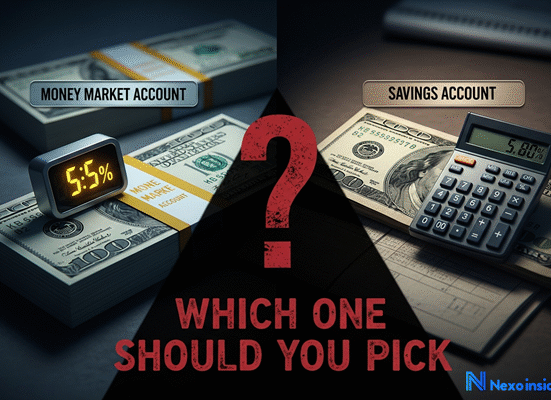
Money market deposit accounts (MMAs) are similar to savings accounts but often offer higher rates and check/ATM access. These are also insured (in deposit form) and provide greater flexibility.
Pros:
- Decent liquidity—often easier access than CDs.
- Higher yields than standard savings in many cases.
- Deposit insurance applies (if it’s a regulated deposit account).
Cons:
- Some minimum balances or restrictions may apply.
- The rate, while higher, is still subject to change and may not outpace inflation.
- If you’re looking for higher return, you’ll sacrifice some safety or liquidity.
If you’re looking for a “middle ground” between super-fluid savings and locked-in CDs—MMAs can be useful.
4. U.S. Government Securities (Treasury bills/notes/bonds)
If you’re seeking a nearly “risk-free” backbone for your reserves, U.S. Treasuries are often considered the gold standard. These are loans you make to the U.S. government, which has historically always honored its debts.
Pros:
- Very high safety of principal (government‐backed).
- Different maturities let you tailor how long you lock up money.
- If you hold to maturity, you generally receive your full principal + interest.
Cons:
- May offer lower yields compared to other investments.
- If sold prior to maturity, market value may fluctuate (you might get less).
- Some maturities tie up your money longer—less flexible than deposit accounts.
Treasuries make sense when you’re prioritizing capital preservation and have a known time‐horizon (say, you’ll need the money back in 2–10 years).
5. High-Quality Bonds & Other Ultra-Safe Assets
There are also other instruments with high safety (though not absolute): ultra‐safe corporate bonds, municipal bonds, or other low-risk debt. The trade-off is: slightly more risk, slightly more return.
Pros:
- Potentially better yield than deposit accounts.
- If you pick high quality issuers, default risk is very low.
Cons:
- Not insured like bank deposits. You can lose principal if issuer fails or interest rates shift.
- Liquidity may be lower (selling before maturity may cost you).
- More complexity—requires reading terms, knowing credit ratings, etc.
If you’re comfortable with slightly higher risk for marginally higher return, these could work—but they’re not “zero risk”.
What You Should Consider When Picking a Safe Place for Your Money
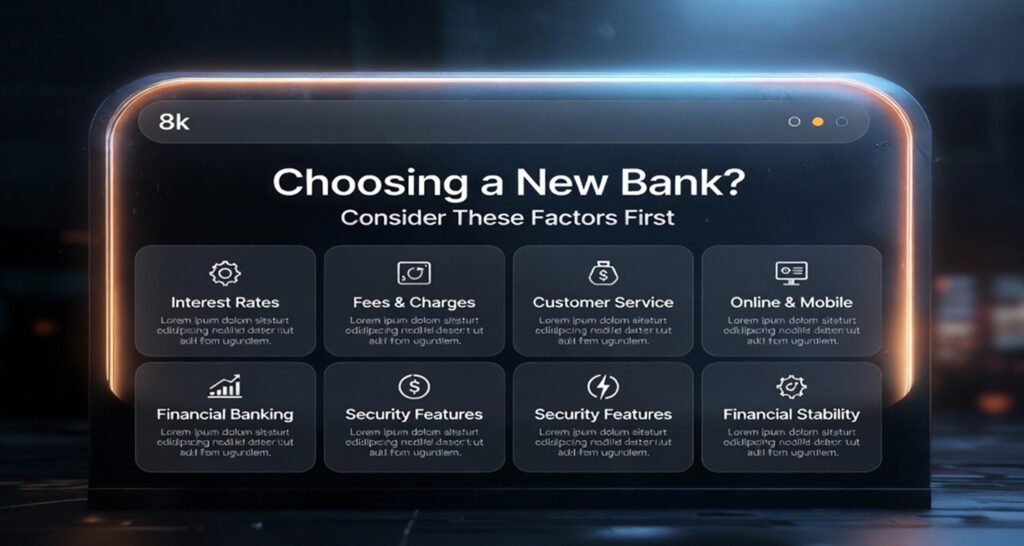
Here are guiding questions:
- How soon will you need this money? If it’s for the next 3-12 months, favor maximum liquidity and minimal risk.
- How much access do you need? Do you want withdrawals anytime (deposit account), or can you afford to lock money up?
- How much return do you need? If you only care about safety, deposit account may suffice. If you want yield, consider CDs, MMAs or government securities.
- Am I covered by insurance? For bank deposits, make sure the account is FDIC or NCUA–insured. ($250,000 limit per depositor, per bank, per ownership category)
- What are the fees or penalties? Early withdrawal penalties, minimum balances, monthly fees—all can reduce the “safe” return.
- Inflation risk: Even safest accounts may lose purchasing power over time if interest doesn’t keep up with inflation.
Final Thought
There’s no single “best” place for your money, there’s only the right place given your timeline, access needs, and risk tolerance. for short-term holdings or emergency funds, a deposit account at an insured bank is perfectly fine. if you can lock it a little longer and tolerate less liquidity, a CD or Treasury bill may earn more while still remaining very safe. Whatever you choose, prioritise capital preservation, ease of access, and realistic return expectations. the goal isn’t to chase high growth, but to protect and steady grow your money so it’s there when you need it.