
A savings account is one of the simplest and most foundational financial tools anyone can use to protect and grow their money, unlike a checking account, which is designed for everyday spending, a savings account is built for storing cash safely while earning interest over time, whether you’re just starting your financial journey or looking to organize your money more strategically, understanding how a savings account works is essential.
What Exactly is a Savings Account?
At its core, a savings account is a bank account held at a bank, credit union, or online financial institution that allows you to deposit money, keep it secure, and earn interest on the balance, unlike investment accounts where your principal can rise or fall with market performance, savings accounts are considered low-risk and highly liquid, meaning you can access your money when you need it without risking principal loss.
Most savings accounts are designed to help you set aside money for future needs, like an emergency fund, a down payment on a home, or a vacation, with easy access when you’re ready to use it.
How Does a Savings Account Work?
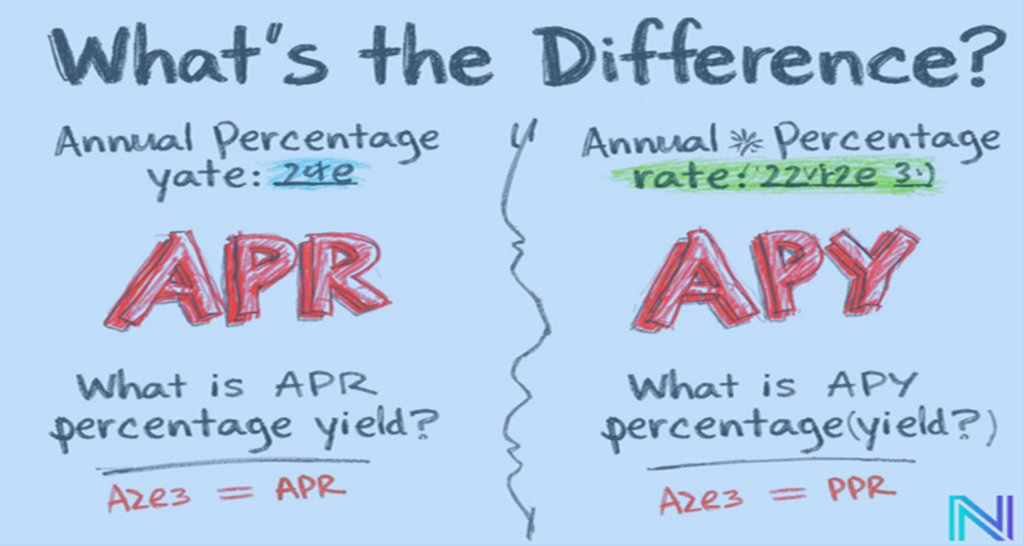
When you deposit funds into a savings account, the financial institution uses that money to lend to other customers or invest it in ways that generate profit, in return, the bank pays you interest, usually expressed as an Annual Percentage Yield (APY).
Here’s what you should know:
- Interest accrues over time: The amount your savings earns depends on the account’s APY, higher APYs mean your money grows faster, some high-yield accounts now offer rates significantly above the national average.
- Compound interest accelerates growth: Interest not only applies to your original deposit but also to previously earned interest, helping your balance grow more over time.
- Liquidity and access: You can usually withdraw or transfer funds when needed, although some accounts may limit the number of monthly transactions.
Why Savings Accounts Matter
1. Safety and Federal Insurance
One of the biggest advantages of a savings account is safety, in the United States, deposits at banks are typically insured by the Federal Deposit Insurance Corporation (FDIC) up to $250,000 per depositor, per institution, credit union accounts receive similar coverage through the National Credit Union Administration (NCUA), this protection means even if the bank fails, your money is safeguarded.
2. Earn Interest Over Time
Unlike stashing cash at home, a savings account pays you interest for keeping your money there, while traditional savings rates might be modest, many online or high yield accounts now offer competitive APYs that significantly boost your returns without taking risk.
3. Build an Emergency Fund
Financial experts recommend keeping enough cash in a savings account to cover at least three to six months of living expenses, this “rainy day” fund can protect you from unexpected medical bills, job loss, or urgent home repairs without relying on credit.
4. Separate Spending and Saving
Keeping savings in a dedicated account helps you resist the temptation to spend, it creates a clear boundary between everyday expenses (handled in checking accounts) and your longer term financial goals.
Here are the most common Types of Savings Accounts.
Traditional Savings Accounts
These are offered by banks and credit unions and provide a safe place to keep money while earning interest. They often come with branch access and physical customer support.
Online Savings Accounts
Online banks usually offer higher APYs because they don’t have branch overhead. If access to in-person banking isn’t important, these accounts often deliver better returns.
High-Yield Savings Accounts
High-yield savings accounts provide significantly higher interest rates, especially at online banks. These accounts can help your money grow faster, though sometimes require minimum balances or online access.
Special Purpose Accounts
Some banks allow you to open multiple savings accounts or “subaccounts” within one main account to track specific goals like travel, weddings, or education.
Pros and Cons of Using a Savings Account
Pros
- Highly liquid: Access your money when you need it.
- Safe and insured: FDIC/NCUA protections up to $250,000.
- Interest earnings: Your balance grows over time.
- Easy to open and manage: Most require minimal documentation and can be controlled online.
Cons
- Lower returns than investments: Savings accounts typically earn less interest than stocks, bonds, or other investments.
- Variable interest rates: Rates can change with market conditions.
- Monthly transaction limits: Some banks may restrict the number of withdrawals per month.
How to Choose the Right Savings Account
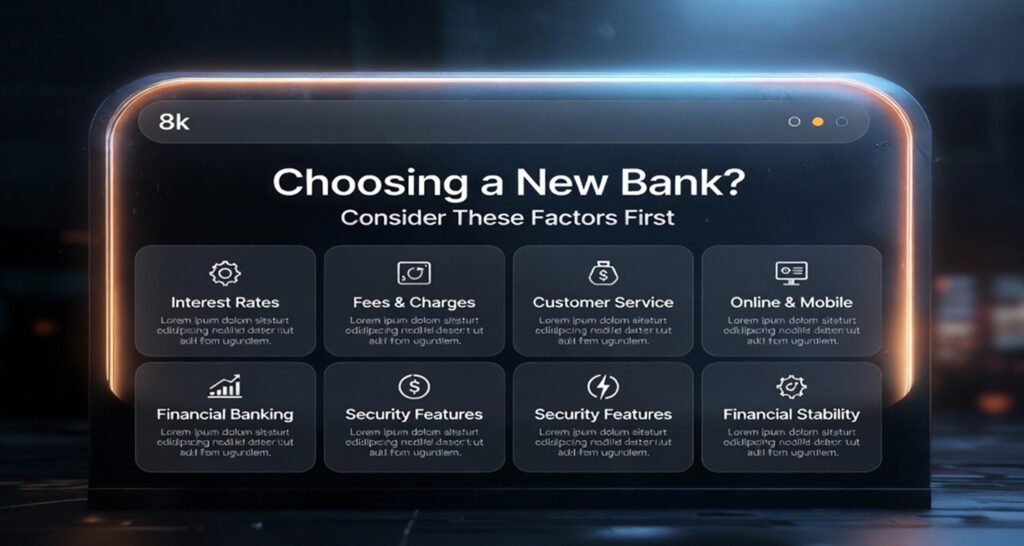
When comparing savings accounts, consider:
- Interest rate (APY): Higher APY means better growth.
- Fees: Avoid accounts with high monthly maintenance fees.
- Minimum balance requirements: Some accounts require a minimum to earn top rates.
- Accessibility: Decide if you prefer local branch access or are comfortable with online banking.
Final Thoughts
A savings account is more than just a place to store cash, it is a fundamental tool for achieving financial stability and peace of mind, whether you are building an emergency fund, planning for future expenses, or simply trying to build good money habits, the right savings account can help you grow your money while keeping it safe and accessible, with thoughtful savings strategies and smart account choices, your savings account becomes a stepping stone toward long-term financial success.