Financial institutions (FIs) are the backbone of the global economy. whether you are depositing money into a savings account, applying for a home loan, buying insurance, or investing in stocks, these organizations not only manage the movement of money but also provide essential services that keep economies functioning smoothly.
What Is a Financial Institution (FI)?
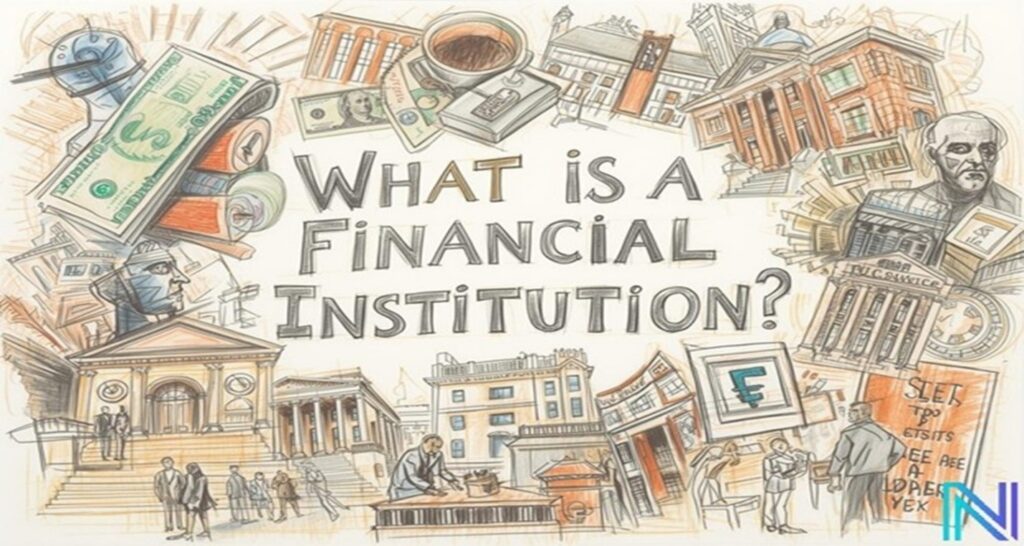
financial institution is company that engages in financial and monetary transactions. includes, deposits, loans, investments, asset management, or currency exchange. commercial banks and credit unions to insurance companies and brokerage firms.
At the core, financial institutions act as intermediaries—they connect people who have money (savers and investors) with people who need money (borrowers and businesses). without them, financial systems would be fragmented, inefficient, and risky for both individuals and corporations.
Key Functions of Financial Institutions
Financial institutions are not just about storing money. provide services that enable economic growth and personal financial stability. Some of the most critical functions include:
- Accepting Deposits – Safeguarding customer funds while offering savings and checking services.
- Issuing Loans – Providing mortgages, business loans, and personal credit.
- Facilitating Investments – Offering access to stocks, bonds, and mutual funds.
- Managing Risks – Insurance companies help individuals and businesses protect assets.
- Currency Exchange – Supporting global trade by converting and transferring currencies.
- Capital Allocation – Ensuring money flows from investors to businesses and governments that need funding.
Financial institutions ensuring that savings turn into investments, and investments fuel innovation and growth.
Why Are Financial Institutions Important?
Imagine a world without banks, insurance companies, or stock markets. Businesses would have no structured way to raise money, families couldn’t buy homes unless they had full cash upfront, and governments would struggle to fund projects.
- Fuel economic by channeling money into productive uses.
- Provide security by assets.
- Stabilize economies by financial risks.
- Increase capital for personal and businesses.
- Trust build through financial systems.
Types of Financial Institutions
Financial institutions vary in scope, size, and the services they provide. Below are the most common categories:
1. Commercial Banks
These are the most widely recognized financial institutions. they accept deposits, provide loans, issue credit cards, and offer services such as currency exchange. examples include Chase, Bank of America, and Citibank.
2. Credit Unions
Unlike banks, credit unions are member-owned cooperatives. They typically provide the same services as banks but often with lower fees and better interest rates, benefiting their members.
3. Savings and Loan Associations
Institutions primarily on mortgage lending and savings accounts, helping individuals finance homes and real estate.
4. Investment Banks
Investment banks deal with capital markets. they help businesses raise funds through initial public offerings (IPOs), manage mergers and acquisitions, and provide brokerage services for securities.
5. Insurance Companies
Insurance firms provide financial protection against risks such as health issues, accidents, property damage, or business losses. they are critical for both personal and corporate risk management.
6. Brokerage Firms
Brokers act as intermediaries between buyers and sellers in financial markets. they execute trades, offer investment advice, and provide portfolio management services.
7. Asset Management Companies
Institutions manage investments on behalf of individuals, corporations, and even governments, ensuring diversification and risk optimization.
The Role of Financial Institutions in Capital Markets
Capital markets are where businesses, governments, and individuals raise money through debt (bonds) or equity (stocks). Financial institutions facilitate this process by:
- Connecting savers with borrowers.
- Ensuring liquidity so money can move easily between investors and businesses.
- Promoting investment opportunities through securities markets.
Example: an investment bank helps companies issue shares to raise funds. Without financial institutions, capital markets would fail to function efficiently.
How Financial Institutions Are Regulated
Because financial institutions deal with people’s money, strict regulations are necessary to prevent fraud, protect consumers, and ensure system stability.
Key USA Regulators Include:
- Federal Reserve (The Fed) – Oversees member banks and ensures financial stability.
- Office of the Comptroller of the Currency (OCC) – Regulates national banks and savings associations.
- Federal Deposit Insurance Corporation (FDIC) – Protects deposits up to $250,000 per depositor bank.
- National Credit Union Administration (NCUA) – Regulates and insures credit unions.
- Securities and Exchange Commission (SEC) – Regulates securities markets and investment banks.
- Commodity Futures Trading Commission (CFTC) – Oversees futures and derivatives trading.
- Consumer Financial Protection Bureau (CFPB) – Protects consumers from unfair financial practices.
Commercial Banks vs. Investment Banks
Although both are financial institutions, commercial banks and investment banks serve different purposes:
- Commercial Banks – Focus on individuals and small businesses. they provide savings, checking, and loans.
- Investment Banks – Specialize in large-scale financial operations, including raising capital, mergers, acquisitions, and managing IPOs.
In simple terms: commercial banks serve Main Street, while investment banks serve Wall Street.
Risks Faced by Financial Institutions
Financial institutions are not immune to risks. Some of the most common include:
- Credit Risk – Borrowers defaulting on loans.
- Market Risk – Losses due to fluctuations in markets, interest rates, or currencies.
- Liquidity Risk – Inability to meet short-term obligations.
- Operational Risk – Failures in systems, policies, or human errors.
- Systemic Risk – When the failure of one financial institution triggers wider economic instability.
The Future of Financial Institutions
With rapid technological advances, the financial industry is evolving at an unprecedented pace. Some emerging trends include:
- Digital Banking – Mobile apps and online-only banks reducing reliance on physical branches.
- FinTech – Startups offering faster, cheaper, and more accessible financial services.
- Cryptocurrency & Blockchain – Challenging traditional banking systems by decentralizing financial transactions.
- AI & Automation – Improving fraud detection, investment strategies, and customer service.
Financial institutions adapt to technological changes, maintaining trust and regulatory compliance.