
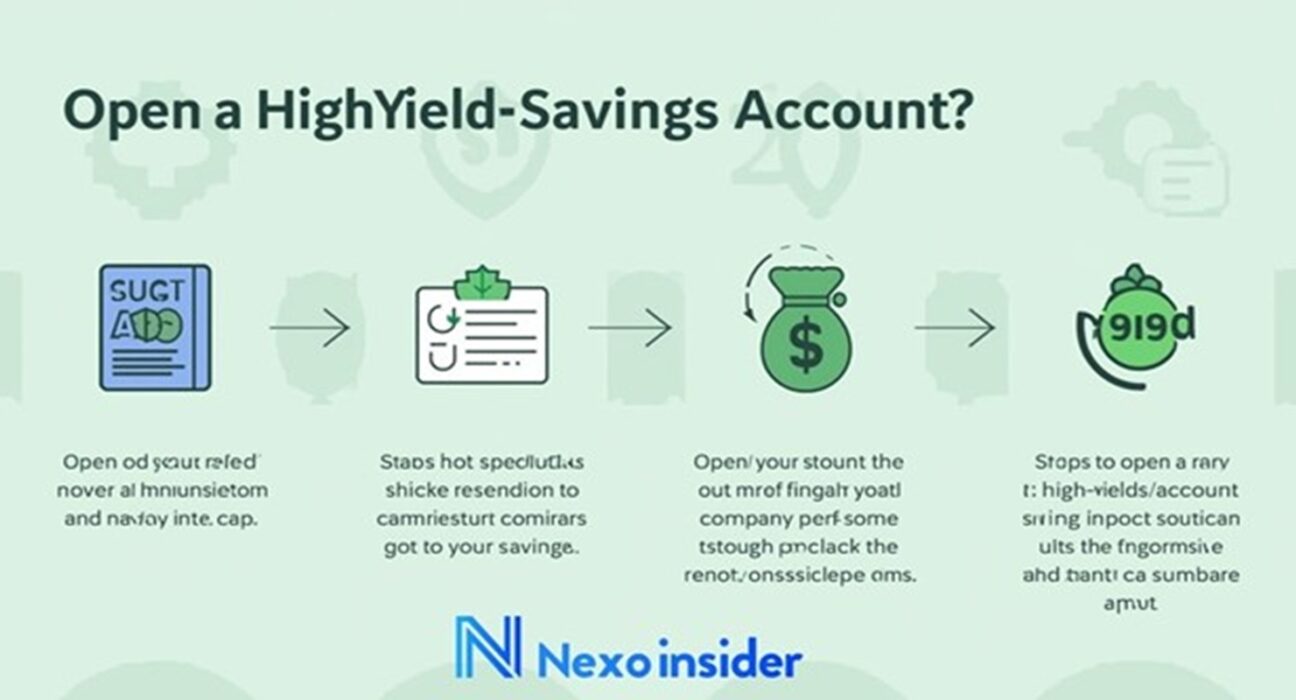
If you’re ready to make your cash work harder, opening a high-yield savings account (HYSA) is a smart move. these accounts offer much better interest rates than traditional savings, without locking your money away permanently. the process is straightforward, and we’ll walk you through it step by step.
1. Shop for the Best Rates & Terms
First up: comparison shopping. there are hundreds of banks and credit unions offering savings accounts these days. Your goal: find one with the highest Annual Percentage Yield (APY) coupled with reasonable terms and minimal fees.
When you’re comparing, keep an eye on:
- Is the rate promotional or ongoing? Some banks lure you with a high initial rate that drops after a few months.
- How often is interest compounded? The more frequently it compounds, the more you’ll earn.
- What are the minimums or caps? Some accounts require a certain balance to earn the top rate, or restrict the amount eligible for the high rate.
And worth noting: Many of the best rates come from online banks since they don’t carry the overhead costs of physical branches.
2. Choose the Right Financial Institution
Once you have zeroed in on a few good rate-options, pick one that fits your preference and access needs.
- You’re okay with an online-only bank, or prefer a physical branch for some visits.
- The bank is FDIC-insured (or NCUA-insured for credit unions) so your deposits are protected up to the legal limit.
- You can easily link your checking account to this savings account for quick transfers.
- There are any sneaky fees or conditions (monthly maintenance, minimum balances, transfer restrictions) that might reduce your effective return.
If you find your current bank offers a competitive rate and you’re comfortable with it, you can stay put. But if you will earn far more elsewhere, opening a new account makes sense.
3. Complete the Application
With your institution picked, go ahead and open the account. These days the application process is quick — often around 10 minutes online.
Typical info you’ll need:
- Full legal name, address, telephone, email.
- Identification (driver’s license, passport, etc.)
- Social Security Number (or Taxpayer Identification Number), so the bank can report your interest to the IRS if required.
- Whether the account is in your name only or jointly with someone.
Some banks will let you open right online. Others (especially credit unions or local banks) may require a branch visit.
4. Fund Your New Account
Now you need to deposit money. This could be done via:
- Transferring from an existing bank account.
- Depositing a check (mobile deposit or in-person).
- Some banks require a minimum opening deposit; others let you start with $0. either way, verify the terms for earning the best rate.
Linking your checking account makes future transfers smoother. Be sure to verify external account transfers (some banks use micro-deposits to confirm).
5. Set Up Online Banking & Alerts
To get the most out of your HYSA:
- Enroll in the bank’s online portal or mobile app immediately.
- Download the app and log in. set strong passwords or use multi-factor authentication.
- Set alerts for things like large withdrawals, low balance thresholds, or unusual activity. this helps protect your account and ensures you’re staying on track.
- Opt-in for e-statements (many online banks offer this and it’s more convenient).
6. Link Additional Accounts & Automate Transfers
To make your HYSA even more effective:
- Link one or more external checking accounts so you can move money in/out seamlessly.
- Set up automatic transfers — for example, each payday you move $200 into your HYSA. It’s an easy way to build savings without thinking about it.
- By separating your “spending” account (checking) and your “saving” account (HYSA), you also reduce temptation to dip into your savings early.
7. Know and Follow the Account Rules
Even though you’re earning a great rate, you’ll want to stay mindful of the account’s specific rules so you don’t accidentally reduce your earnings via fees:
- Check minimum balance requirements to get the advertised rate.
- Note any withdrawal limits. While federal rules changed, some savings accounts still limit the number of certain types of transfers per month.
- Look out for any monthly service fees, can they be waived? what do you need to do?
- If you plan to keep the account long term, ensure you still meet the conditions (if any) for maintaining the rate.
Final Thought
Opening a high-yield savings account is one of the smartest, simplest ways to get more from your money, especially cash that you’re holding for the short term (emergency fund, major purchase, down payment). with careful selection of rate, bank, and setup, you will earn significantly more than leaving that cash in a standard savings or checking account.
It takes only a few minutes to open, a little bit of setup to fund and link accounts, and then you can let the interest do its work. Just keep an eye on fees and rules, and you’ll benefit from better growth while maintaining easy access to your funds.