
When you hear the word deposit, it might bring to mind that moment when you hand over money at a bank, leave a security payment for a new apartment, or make a down payment on your dream home. But deposits are much more than just simple financial transactions. they represent trust, security, and the foundation of countless financial agreements in our daily lives. whether you are opening your first savings account, renting a car for a road trip, or stepping into the world of investments, deposits play a vital role in ensuring everything runs smoothly.
What Is a Deposit?
At its core, a deposit is money placed in safekeeping—usually with a bank, financial institution, or service provider. It can serve two main purposes:
- For storage and convenience – When you place money in a checking or savings account, it’s considered a deposit. You can access it, transfer it, or let it grow with interest.
- As a form of security – A deposit can also act as collateral or assurance, ensuring that one party will uphold their end of an agreement. For instance, landlords request security deposits to cover any potential damages to their property.
The True Meaning Behind Deposits
While the dictionary defines a deposit as money held in an account or pledged for security, the deeper meaning lies in trust. Whenever you make a deposit, you are essentially placing faith—faith in a bank to safeguard your earnings, faith in a landlord to return your security deposit if you respect the property, and faith in businesses to deliver on services or goods once you’ve made a partial payment.
Think of deposits as silent agreements between you and another party. they are small but powerful commitments that keep the wheels of personal finance, real estate, and global commerce turning.
Key Takeaways About Deposits
Before we dive further, here are the essential points you need to remember about deposits:
- A deposit is money held in a bank account or pledged as security.
- Deposits can be liquid and accessible (like a checking account) or locked in for interest growth (like a time deposit).
- They are essential in everyday life from opening accounts to renting property, buying cars, or securing contracts.
- Demand deposits allow instant access, while time deposits require patience but reward you with higher interest.
- Not all deposits earn interest—checking accounts often don’t, while savings and certificates of deposit usually do.
How Does a Deposit Work?
Imagine you just received your paycheck. You walk into a bank or use a mobile app to deposit that money into your checking account. At that moment, a financial transaction occurs:
- You transfer funds from yourself (the depositor) to the bank.
- The bank records this amount and holds it for you.
- Depending on the type of account, you can access it anytime, or you may need to wait for a specific period.
Business Banking and Deposits
Deposits aren’t limited to individuals. Businesses rely heavily on deposits for daily operations. For example:
- Corporate accounts allow businesses to manage their inflows and outflows.
- Night depositories—secure boxes outside banks—let companies deposit cash and checks safely after business hours.
- Employee permissions sometimes allow designated staff to make deposits on behalf of the company.
Minimum Deposits: The First Step
When opening a new account, banks often require a minimum deposit. this amount proves your commitment and allows the account to remain active. For example, you might need to deposit $25 to open a checking account or a larger amount for a certificate of deposit (CD).
Types of Deposits
Deposits come in various forms, but the two primary categories are demand deposits and time deposits.
1. Demand Deposits
- Found in checking and savings accounts.
- Funds are immediately available—you can withdraw anytime without penalty.
- Perfect for transactions. pay bills, shopping and transfer money.
2. Time Deposits
- Commonly known as certificates of deposit (CDs).
- Money is held for a fixed period—from a few months to several years.
- They usually offer higher interest rates, rewarding patience.
- Early withdrawals may result in penalties.
Real-Life Examples of Deposits
Deposits are part of everyday financial life, even when we don’t realize it. Here are some common examples:
- Buying a home: The down payment you make is essentially a deposit that secures your purchase.
- Renting an apartment: A security deposit protects the landlord against potential damages.
- Car rentals: Companies often require a deposit to ensure you return the vehicle in good condition.
- Business contracts: Service providers may request a partial deposit before starting a project.
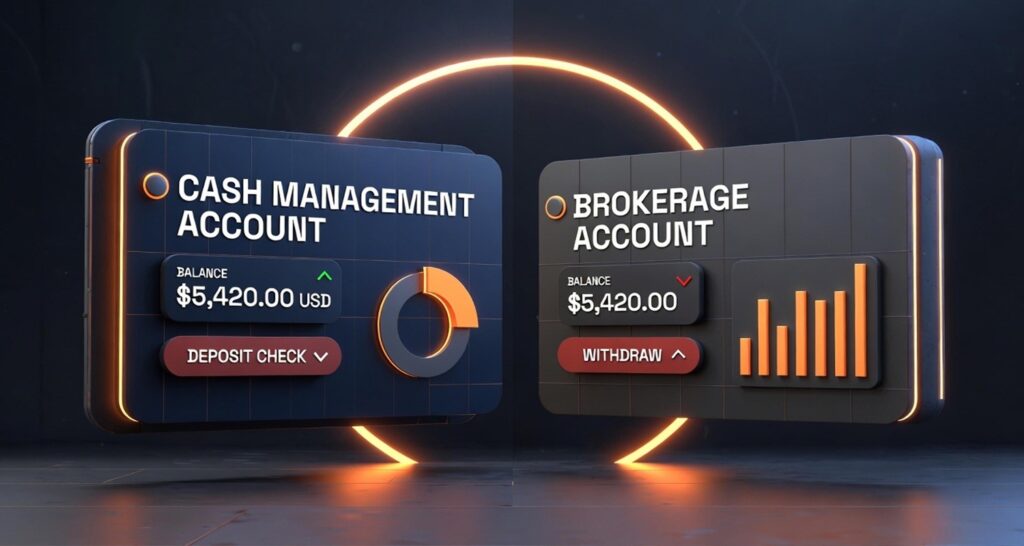
- Brokerage accounts: Traders deposit margin money to secure futures or options contracts.
Do All Deposits Earn Interest?
No. whether your deposit earns interest depends on the type of account:
- Checking accounts: Generally, no interest.
- Savings accounts: Offer modest interest.
- Certificates of deposit (CDs): Provide higher interest but require funds to remain untouched for a fixed period.
Making Deposits With Checks and Transfers
Deposits aren’t limited to cash. You can also deposit using:
- Checks (from the same bank or another bank).
- Money orders or cashier’s checks.
- Bank transfers from one account to another.
Getting Deposits Back: When Is It Possible?
One of the most common questions people ask is: “Will I get my deposit back?” The answer depends entirely on the agreement.
- Rental agreements: Security deposits are refunded if there’s no damage.
- Service deposits: Often go toward the final balance.
- Collateral deposits: May be forfeited if you don’t meet contractual terms.
Why Deposits Matter in Everyday Life
Deposits might feel like routine transactions, but their role in life is profound. They:
- Provide financial security for both parties.
- Build trust in business and personal relationships.
- Allow banks to fund loans and grow the economy.
Give individuals a structured way to save and earn interest.