Banking should give you peace of mind, convenience, and financial growth. sadly, not every bank delivers on these promises. Hidden charges, poor returns, or lack of protection can quietly drain your money. If you’re feeling unsatisfied with your current bank, it may be time to evaluate whether you deserve better.
Why the Right Bank Matters
Your bank is more than a vault for your savings. it is a partner that impacts your financial security, daily transactions, and long-term growth. If your bank adds stress instead of value, switching could improve your financial health and protect your money.
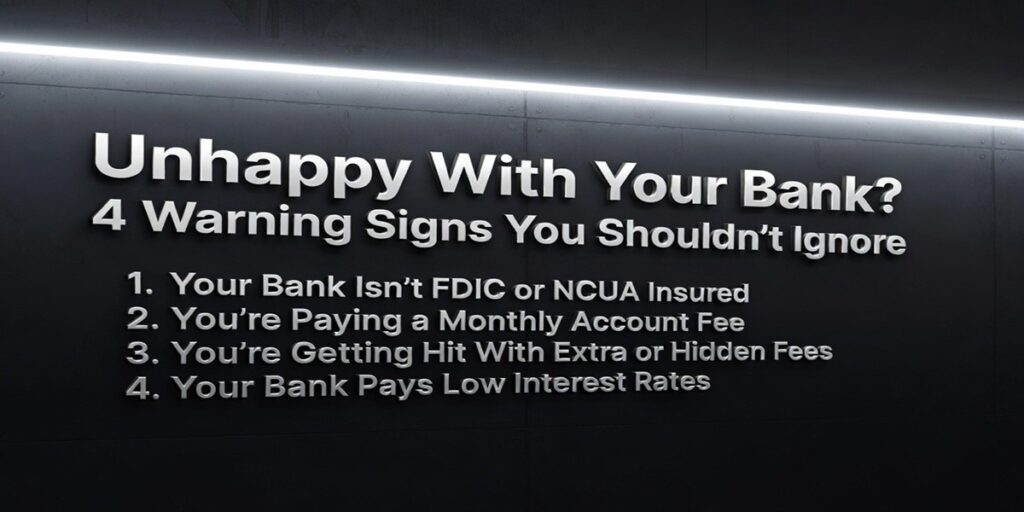
Your Bank Isn’t FDIC or NCUA Insured
Safety should be your top priority. most USA. banks carry FDIC insurance, while credit unions are backed by the NCUA. Both insure deposits up to $250,000 per depositor, per ownership category.
Some fintech companies offer bank-like accounts but aren’t banks themselves. Instead, they partner with insured institutions to hold customer funds. While technically protected, this indirect relationship creates extra risk. The collapse of fintech provider Synapse showed just how messy things can get when the middleman fails.
Bottom line: If your bank isn’t directly FDIC- or NCUA-insured, your money could be safer elsewhere.
You’re Paying a Monthly Account Fee
Gone are the days when account fees were unavoidable. today, many banks offer fee-free checking and savings accounts with no minimum balance requirements.
If your bank is still charging:
- $5–$15 per month just to keep an account open
- Fees for not meeting deposit requirements
- Charges for dropping below a balance threshold
…you’re paying for something that should be free. Over a year, those “small” charges add up to real money—money that could earn interest in a smarter account.
Tip: Online banks and credit unions are great places to look for truly free accounts.
You’re Getting Hit With Extra or Hidden Fees
Beyond monthly maintenance costs, many banks still hit customers with sneaky charges. Some of the most common include:
- Overdraft penalties
- Out-of-network ATM fees
- Wire transfer charges
- Paper statement fees
- Expedited card delivery fees
Even if each one seems small, the total can erode your savings. A customer-friendly bank will keep fees minimal and transparent.
Ask yourself: Am I being charged for services that competitors now offer for free? If yes, it’s time to rethink your loyalty.
Your Bank Pays Low Interest Rates
Interest rates vary drastically from one bank to another. traditional banks often pay as little as 0.01% APY, while online banks may offer up to 4.00% APY or more.
On a $10,000 balance:
- At 0.01% APY, you’d earn just $1 in a year.
- At 4.00% APY, you’d earn $400.
That’s a huge difference for doing nothing except choosing a better account. While it’s not practical to chase every rate hike, your bank should at least stay competitive with the market.
Other Red Flags to Watch
Besides the four main warning signs, pay attention to these additional clues:
- Poor customer service – Long wait times or unresolved disputes signal a lack of care.
- Outdated technology – Mobile check deposit, instant transfers, and budgeting tools should be standard.
- Limited access – Few ATMs or branches can mean extra costs and less convenience.
- Lack of transparency – Confusing fee structures or hidden terms should make you cautious.
The Benefits of Switching Banks
Switching may feel inconvenient, but the rewards often outweigh the hassle. By choosing the right bank, you can:
- Save money with fewer fees
- Earn more through better interest rates
- Protect your deposits with direct insurance
- Enjoy convenience with modern digital tools
- Receive better service from customer-first institutions
How to Switch Banks Without Stress
Making the change doesn’t need to be difficult. Here’s a simple process:
- Compare your options. Focus on fees, rates, insurance, and service.
- Open your new account. Keep your old one active temporarily.
- Update direct deposits and payments. Move paychecks, bills, and subscriptions.
- Transfer remaining funds. Once everything clears, shift your money.
- Close the old account. Get written confirmation to avoid lingering charges.
Choosing the Right Bank
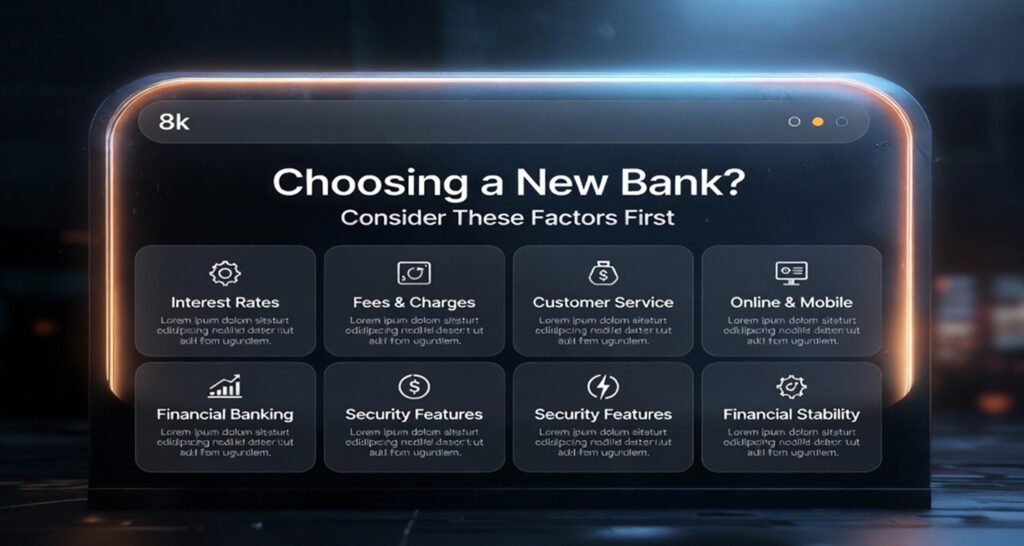
When picking a new home for your money, consider:
- FDIC or NCUA insurance coverage
- Transparent fee policies
- Competitive interest rates
- Easy-to-use mobile apps
- ATM and branch access
- Customer service reputation
Your bank should align with both your current needs and long-term financial goals.
Conclusion
Your bank should work for you, not against you. If you’ve noticed that it lacks insurance, charges unnecessary fees, buries you in hidden costs, or pays little interest, it’s time to explore better options, The takeaway: Do not settle for less, by switching to a bank that offers safety, transparency, and better returns, you can protect your money and grow it faster, the effort you put into finding the right institution today will pay off for years to come.