If you are serious about growing your money, and not just letting it sit idle, choosing the right savings account is a foundational step, not all savings accounts are created equal, and investors can benefit from knowing their options so they can match accounts to their goals, timelines, and comfort levels, by understanding the differences between the main types of savings vehicles, you’ll be better equipped to earn higher returns, manage risk, and keep your cash working for you.
1. Basic Savings Account: Simple and Accessible
For most people, the first stepping stone into saving is a basic savings account. This is the most traditional form of savings you’ll find at banks and credit unions, often accompanied by a passbook or periodic statements that track your balance.
Why It Matters
A basic savings account is a great place to:
- Store cash you want to keep safe and accessible
- Earn a small amount of interest while your money sits
- Learn the basics of saving without complexity
These accounts are FDIC- or NCUA-insured up to $250,000, which means your money is protected if the financial institution fails, that safety net alone makes this a solid option for risk-averse savers.
Who It’s Best For
Beginner investors, students, or anyone who just wants a secure, no-frills place to hold cash should consider this option.
Keep in mind, though, that interest rates on traditional savings accounts tend to be relatively low compared with other options — so this is best for short-term savings and safety, not long-term growth.
2. Online High-Yield Savings Account: Higher Interest, Same Safety
If you are comfortable managing your finances online, a high-yield savings account (HYSA) could be an excellent upgrade from a basic account, these accounts are typically offered by online banks that operate with lower overhead, allowing them to pass the savings on in the form of higher interest rates.
Smart Features
Here’s why HYSAs have become popular:
- Interest rates well above the national average
- 24/7 access via mobile apps and online portals
- FDIC or NCUA insurance just like traditional accounts
Because these accounts are digital, they usually cost less for banks to maintain — and better rates often follow.
Who Should Use It
High-yield savings accounts are perfect for savers who:
- Want better returns than a basic savings account
- Don’t need in-person banking services
- Are comfortable with fully digital banking
This type of account works especially well for an emergency fund or medium-term savings goals where liquidity and growth matter.
3. Money Market Savings Account: The Hybrid Option
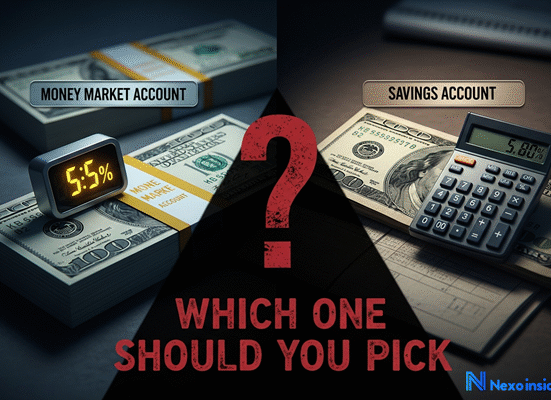
A money market savings account (sometimes called a money market account or MMA) offers a unique mix of features from both savings and checking accounts, these accounts often provide tiered interest rates — meaning you may earn more the higher your balance, and can come with conveniences like limited check-writing capabilities and debit cards.
What Makes It Different
Money market accounts tend to:
- Offer better interest than basic savings
- Allow easier access to funds
- Come with the same FDIC/NCUA insurance protection
Unlike investing in stocks or bonds, money market accounts keep your cash protected while still earning a respectable return for liquid money.
Best for Investors Who:
- Maintain a larger savings balance
- Want interest plus flexible access
- Are saving for short- to medium-term goals
If you are saving for something like a house down payment or a future project and want more yield than a traditional savings account, this hybrid model might be worth exploring.
4. Certificate of Deposit (CD): Locked-In, Higher Returns
Certificates of Deposit, or CDs, are a classic choice for investors with a well-defined timeline, with a CD, you agree to lock up a set amount of money with a bank or credit union for a predetermined period, often from a few months to several years, in exchange for a fixed interest rate that’s usually higher than what savings accounts offer.
How CDs Work
When you open a CD:
- Your money earns a guaranteed interest rate
- You agree not to withdraw before maturity
- Early withdrawal typically means penalties
Like savings and money market accounts, CDs are also insured up to $250,000 by the FDIC or NCUA.
Who CDs Are Right For
Certificates of Deposit are ideal for savers who:
- Have a specific goal with a fixed timeline
- Don’t need immediate access to the money
- Want a predictable return on savings
CDs are especially useful for goals like saving for a large purchase or upcoming expense that you know won’t happen for a set number of months or years.
Picking the Right Savings Account for You
How do you choose between these four savings account options?
start by asking yourself a few questions:
- When will you need the money? If you need quick access, basic or high-yield savings are better, for longer waits, CDs could pay off more.
- How tech-savvy are you? Online accounts often give the best rates if you’re comfortable with digital tools.
- Are you saving a large sum? Money market accounts tend to reward higher balances with better rates.
Final Thought
Choosing the right savings account isn’t just about finding the highest interest rate, it is about aligning your money with your goals, from the simplicity of a basic savings account to the predictable growth of CDs and the flexibility of money market or high-yield options, there is a savings vehicle out there for every investor, understanding these choices can help you maximize your returns, manage risk, and stay empowered in your financial journey in 2025 and beyond.